Rev. Kit Billings
“What shall I return to the Lord
for all His goodness to me?
I will lift up the cup of salvation
and call on the name of the Lord.
I will fulfill my vows to the Lord
in the presence of all his people.” (1)
Psalm 116:12-14
There is a beautiful question at the heart of Psalm 116. It is simple, heartfelt, and deeply human: “What shall I return to the Lord for all His goodness to me?” That is not the question of someone who has never struggled. It is the question of someone who has suffered, prayed, and been carried through. Earlier in the Psalm, the writer says: “The snares of death encompassed me… I was overcome by distress and sorrow. Then I called on the name of the Lord saying: ‘Lord, save me!’”
Many of us understand those words—not just in theory, but from lived experience. Some of you have faced illness, grief, loss, or seasons of loneliness. Some of you have had moments when life felt fragile, uncertain, even frightening. And yet—you are still here. Still breathing. Still loved. Still held in the Lord’s care. That is why the Psalm turns from distress to gratitude. Not denial of hardship—but thanksgiving in the midst of life’s journey.
Gratitude After the Storm
In Swedenborgian thought, we understand that the Psalms often describe not only physical dangers, but spiritual ones, also—times when we feel trapped by fear, discouragement, or grief. Swedenborg writes that the Lord is always working quietly within us, turning moments of despair into opportunities for new learning and spiritual growth. Sometimes we do not even notice it until later.
Perhaps you have had a moment like this: You look back on a difficult season—an illness, a loss, a transition—and you realize that somehow, quietly, strength was given. People appeared at just the right time. A word of kindness helped. A prayer gave comfort. You may not have felt strong then—but looking back, you can see and feel that you were carried—by some invisible, Divine Force of goodness. That is what the Psalmist remembers. And that memory then blossoms into deeply heartfelt gratitude! Not perfect gratitude. Not forced gratitude. But honest gratitude—the kind that grows from surviving something hard.
The Cup of Salvation
The Psalm continues: “I will lift up the cup of salvation and call on the name of the Lord.” In ancient times, lifting up a cup was a sign of thanksgiving and remembrance. And when we lift up a cup of personal recognition that God has been saving us and upholding us in His constant Divine love and support, we are blessed to celebrate our personal relationship with the Lord, who is daily empowering our growth in spirit. Today, we might picture this as lifting up our lives themselves—offering them back to God with appreciation.
But here is something important: The Psalmist does not return silver or gold. Not wealth. Not grand achievements. He returns gratitude and faithfulness. And this connects beautifully to our reading from 1 Peter, where we hear: “You know that it was not with perishable things such as silver or gold that you were redeemed… but with the precious blood of Christ.”
In Swedenborgian teaching, the “blood of Christ” symbolizes the Lord’s Divine truth, His living Word—the love and wisdom that flow from the Lord into our lives. It is not money or possessions that save us.
A Life That Keeps Growing
Peter also tells us in Chapter one of 1 Peter: “You have been born again… through the living and enduring word of God.” (2) Now, sometimes when we hear the phrase “born again,” we imagine something that happens once, suddenly, in youth. But Swedenborg teaches something comforting and hopeful: Being born again is a lifelong process. In other words, it happens again and again—through learning, loving, forgiving, and growing. And here is the good news for all of us gathered here today: You are still being born again. No matter your age. No matter your limitations. No matter your past. The Lord is still planting new seeds of life within you. Even now. Especially now.
Love That Deepens With Time
Peter gives us a clear instruction: “Love one another deeply, from the heart.” Notice that he does not say: “Love one another perfectly.” Or, “Love one another impressively.” Or, “Love one another quickly.” He says: Love deeply. And deep love is something that often grows with time. Many of you here have lived long enough to know that love becomes richer through patience, forgiveness, and perseverance.
You have loved spouses, children, grandchildren, friends, neighbors. You have comforted people in sorrow. You have shared laughter around tables. You have endured disagreements and still stayed connected. That is deep love. And Swedenborg teaches that every act of sincere love—every kindness, every moment of patience—becomes part of our eternal character. Nothing loving is ever lost.
“Precious in the Sight of the Lord”
There is another line in the Psalm that deserves special attention: “Precious in the sight of the Lord is the death of his faithful servants.” For many seniors—and those who walk alongside seniors—this verse carries tender meaning. It reminds us that death is not forgotten by God. It is not ignored. It is not meaningless.
In Swedenborgian understanding, death is not an ending—it is a doorway. A transition from this world into the spiritual world, where the soul continues to live, to grow, and to love. The Lord does not lose sight of anyone. Not one person. Every life is precious. Every passing is held in Divine care. Every faithful soul is welcomed into new life. That is why we can face life’s later chapters not only with realism—but with hope. What Shall We Return?
So we come back to that beautiful question: “What shall I return to the Lord for all his goodness to me?” Not money. Not perfection. Not grand accomplishments. Instead: A thankful heart. A kind word. A listening ear. A forgiving spirit. A willingness to keep loving.
Sometimes we imagine that usefulness fades with age. But Swedenborg strongly disagreed. He taught that usefulness—the desire to bless others—remains central to heavenly life at every stage. And many of you here are living proof of that. Such as, when… You share wisdom. You offer encouragement. You show patience. You bless others simply by being present. These are not small things. These are sacred offerings.
A Simple Story of Gratitude
Let me share a simple story. A retired senior resident once said to a chaplain,
“I can’t do much anymore. I used to be so active. Now I just sit here.”
The chaplain asked, “Do you still smile at people?”
“Yes,” she said.
“Do you still thank the staff?”
“Yes.”
“Do you still pray for your family?” “Oh yes,” she said. “Every day.” The chaplain smiled and replied, “Then you are doing holy work.”
Sometimes usefulness looks quieter than it used to. But it is no less meaningful. A smile can lift a weary heart. A prayer can strengthen unseen places. A word of gratitude can change someone’s day. These are ways of returning goodness to the Lord.
Living as Grateful Souls
The Psalmist promises: “I will fulfill my vows to the Lord in the presence of all his people.” This means living faithfully—not privately only, but publicly—through the way we treat others.
And Peter reminds us that we are called to live with reverence—not fear in the sense of terror, but reverence in the sense of deep respect for the sacredness of life. Every day is a gift. Every breath is a blessing. Every opportunity to love is holy. Even ordinary moments—sharing a meal, greeting a neighbor, offering thanks—become sacred when filled with love.
A Gentle Invitation
So today, I invite you to reflect quietly: Where have you seen the Lord’s goodness in your life? Perhaps in recovery from illness. Perhaps in friendships that endured. Perhaps in family love. Perhaps in small daily mercies. And then ask, as the Psalmist did: “What shall I return to the Lord, for all of His goodness unto me?” Maybe the answer is simple: A prayer of gratitude A kind gesture A moment of patience A renewed willingness to love These are the gifts God cherishes most.
Closing Hope
Lord has heard your voice. He has heard your prayers. He has walked beside you through every season of life. And He continues to do so. You are not finished growing. You are not finished loving. You are not finished becoming who God created you to be. The seed of Divine life within you is imperishable, just as Peter tells us. And one day, that seed will blossom fully into eternal life. Until then, may we live with grateful hearts…lifting up the cup of salvation! And loving one another deeply from the heart.
(1) Holy Bible, New International Version®, NIV® Copyright ©1973, 1978, 1984, 2011 by Biblica, Inc.® Used by permission. All rights reserved worldwide.
(2) Ibid.
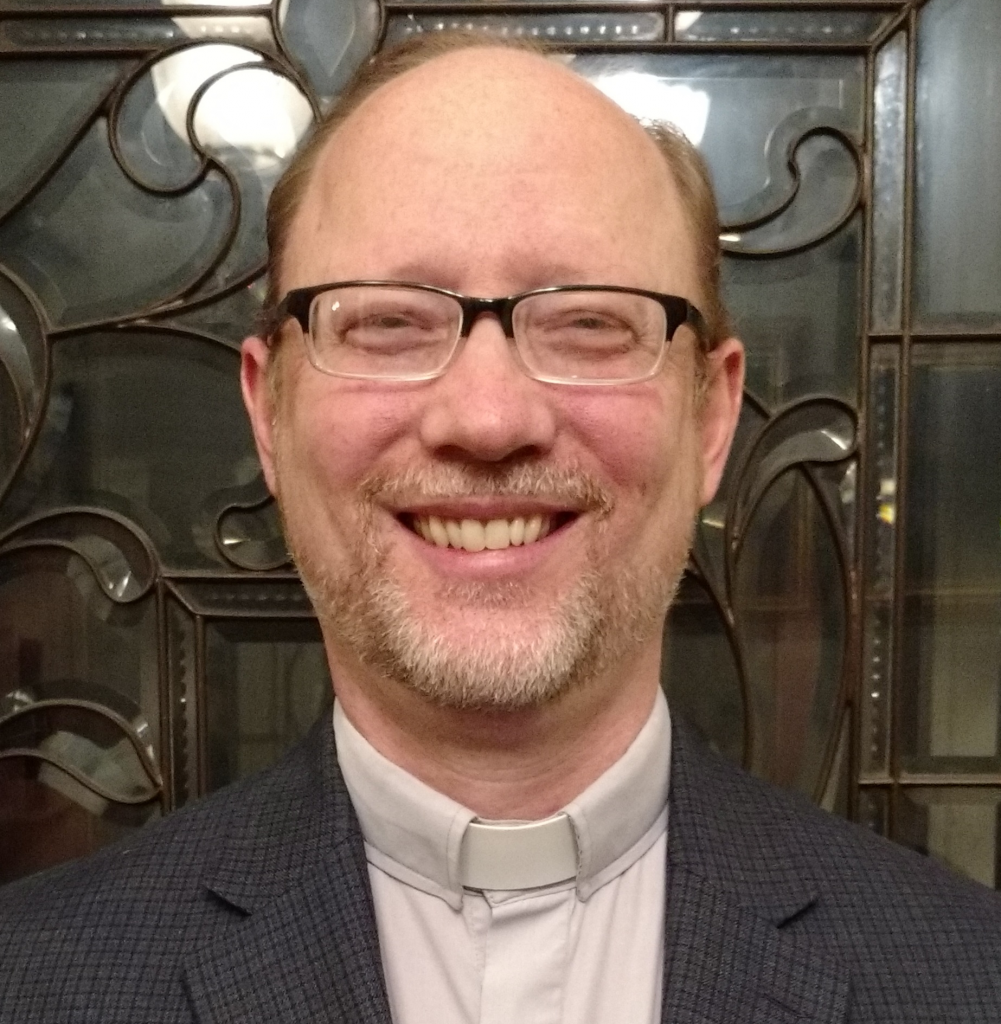
Rev. Kit Billings, his wife Penny, and their daughter Julia moved to LaPorte, Indiana in 2012, where he is Pastor of the LaPorte New Church, a historic Swedenborgian sacred space. Kit enjoys ministering with people of all ages, and supporting others in their journey of growth with the Lord.